

Early Signs of Breast Cancer Every Woman Should Know
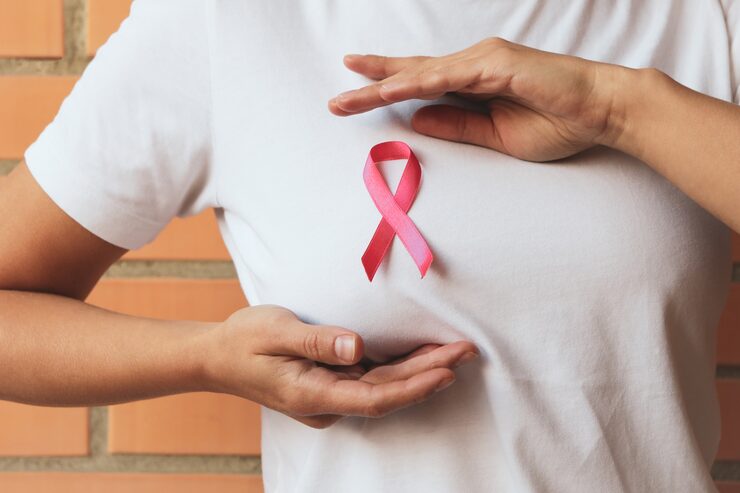
Breast cancer is one of the most common cancers among women, but when detected early, it is highly treatable. Being aware of the early warning signs and seeking medical attention without delay can significantly improve treatment success and recovery.
The earliest symptom is often a painless lump in the breast or underarm. However, breast cancer may also present with changes in breast size or shape, nipple inversion, nipple discharge, skin dimpling, redness, or thickening of the breast skin. These symptoms should never be ignored and require evaluation by a qualified Surgical Oncologist.
Common Warning Signs
- A new lump in the breast or underarm.
- Changes in breast size or shape.
- Nipple discharge or bleeding.
- Skin dimpling or puckering.
- Persistent breast pain or discomfort.
- Swelling around the collarbone or underarm.
Who is at Higher Risk?
Women above the age of 40, individuals with a family history of breast or ovarian cancer, obesity, inherited BRCA gene mutations, smoking, and hormonal factors may have a higher risk of developing breast cancer. Regular screening is especially important for high-risk individuals.
Importance of Early Detection
Early detection through breast self-examination, clinical breast examination, and mammography allows breast cancer to be diagnosed before it spreads. Detecting cancer at an early stage often enables breast-conserving surgery and improves long-term survival.
Treatment Options
Depending on the stage and type of breast cancer, treatment may include breast-conserving surgery, mastectomy, sentinel lymph node biopsy, chemotherapy, radiation therapy, targeted therapy, or hormonal therapy. Modern treatment focuses on removing the cancer while preserving healthy tissue whenever possible.
Conclusion
Breast cancer is highly treatable when diagnosed early. Regular screening, awareness of warning signs, and timely consultation with a Surgical Oncologist can save lives. If you notice any unusual changes in your breast, seek medical advice immediately rather than waiting for symptoms to worsen.